Land of the Roar
Welcome To Tadoba Andhari Tiger Reserve
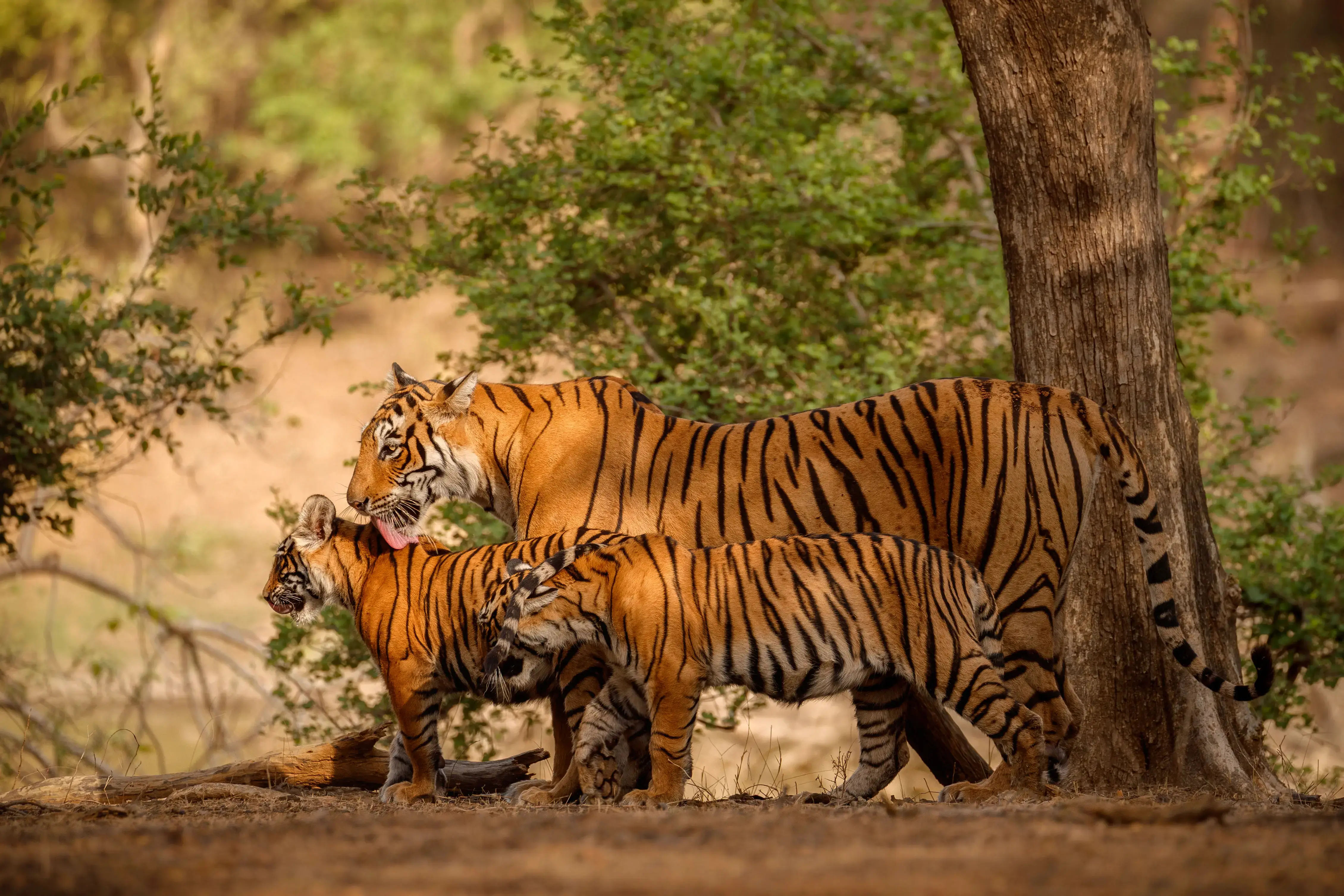
Tadoba National Park is home to the legendary tigers and is known as the
Tadoba Andhari Tiger Reserve. The destination is in the Chandrapur district, Maharashtra which
is entitled to offer India’s best tiger safari experience. It is the oldest and largest tiger
reserve in Maharashtra, first established in 1955 and later joined with the Andhari Wildlife
Sanctuary in 1995. The origin of its name is the tribal god “Taru” and the Andhari Reserve is
where that river flows through the jungle.
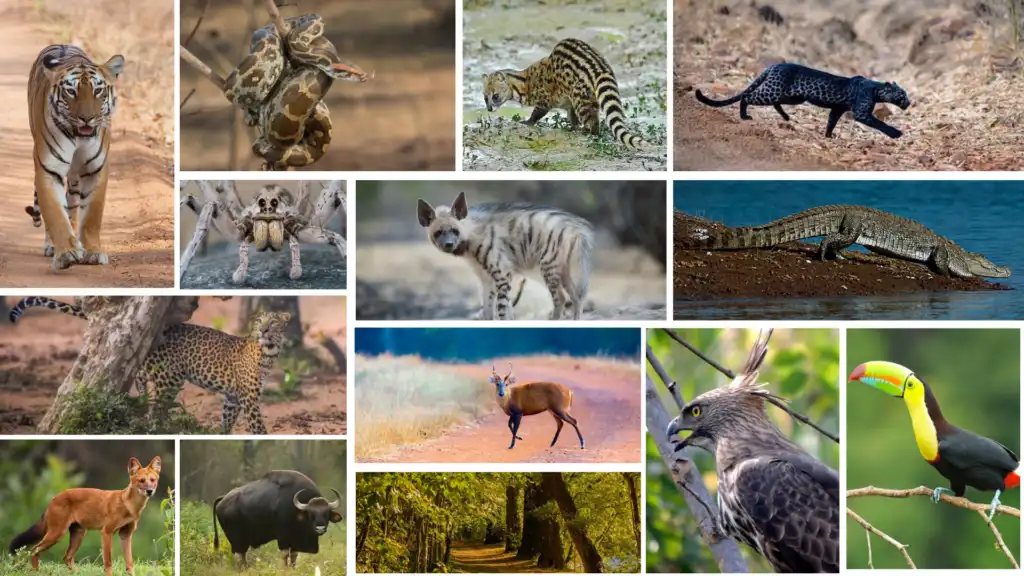
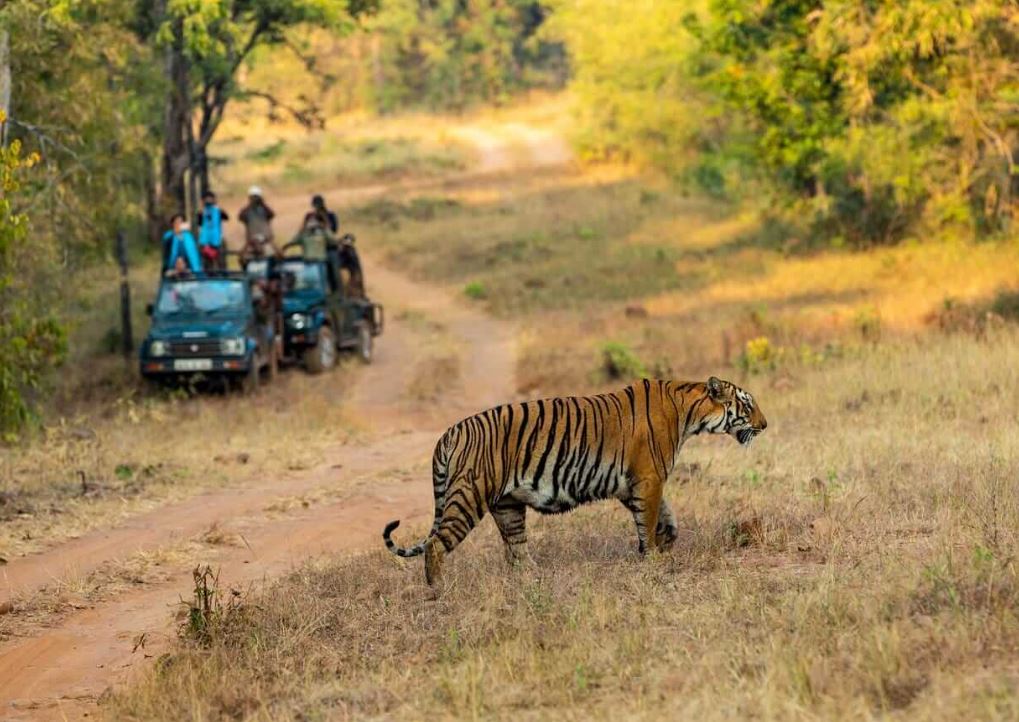
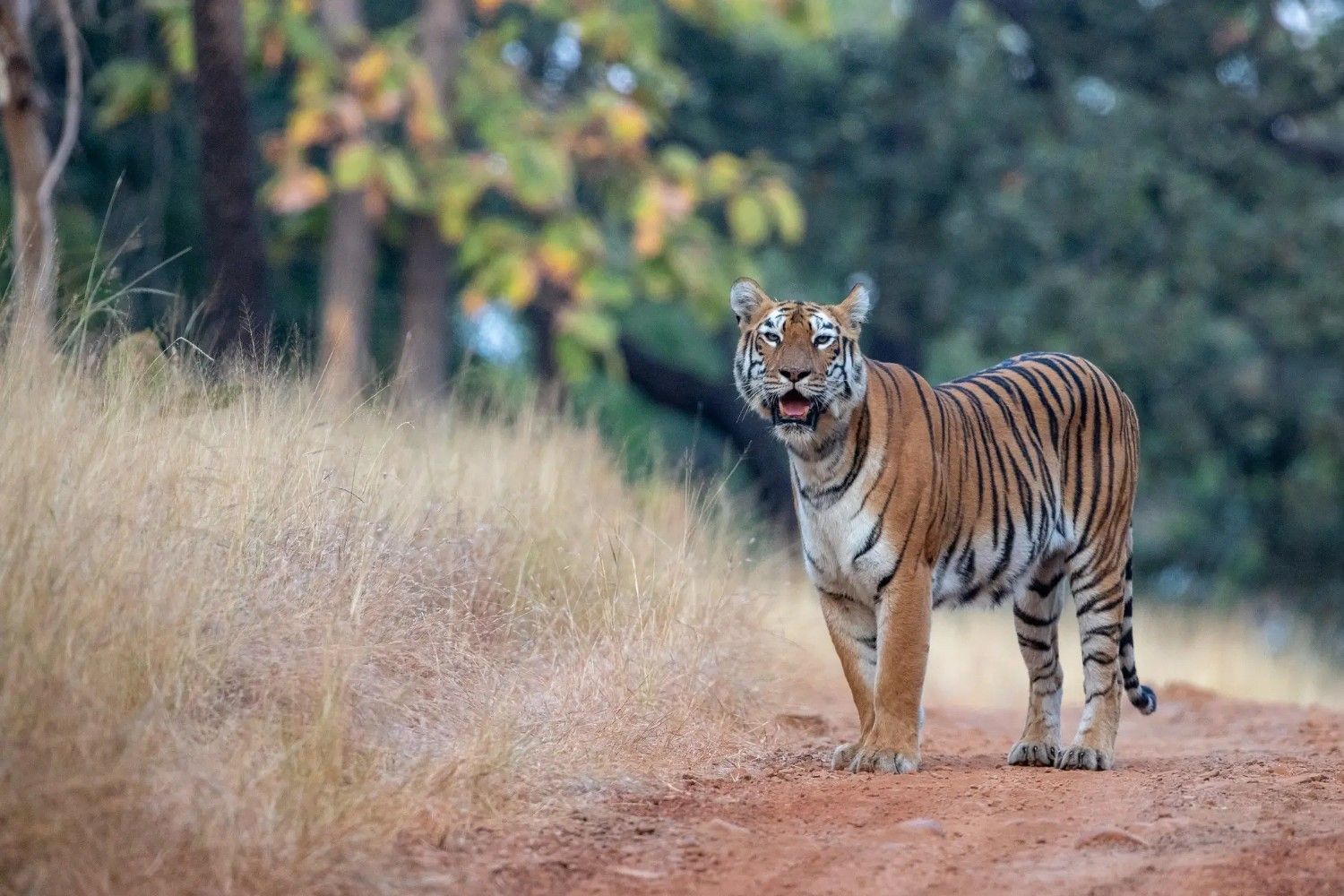
Known for its tiger sightings along with rich flora and fauna that
attracts tourists across the globe. Also a number of bird species are found here. You will find
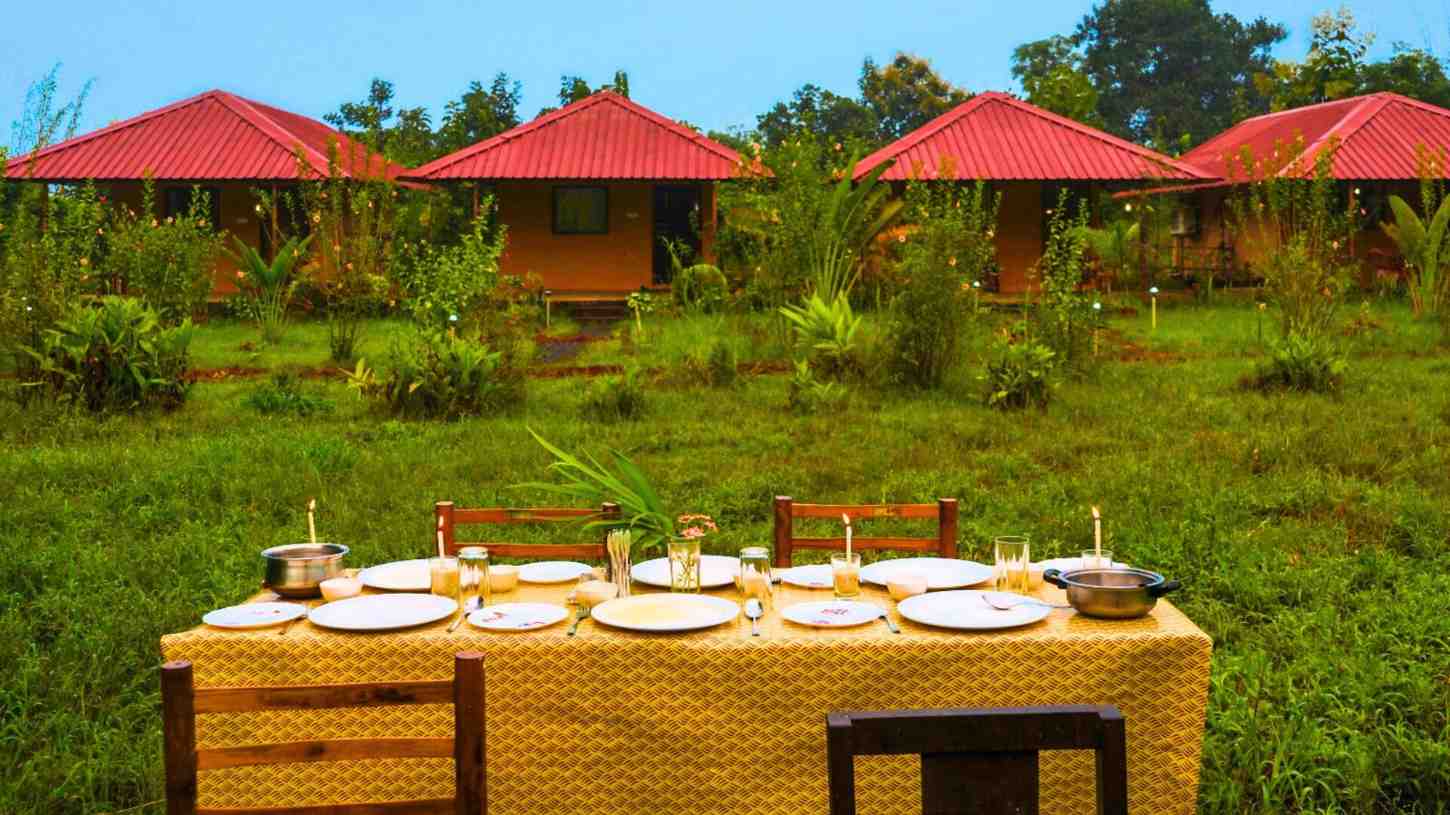
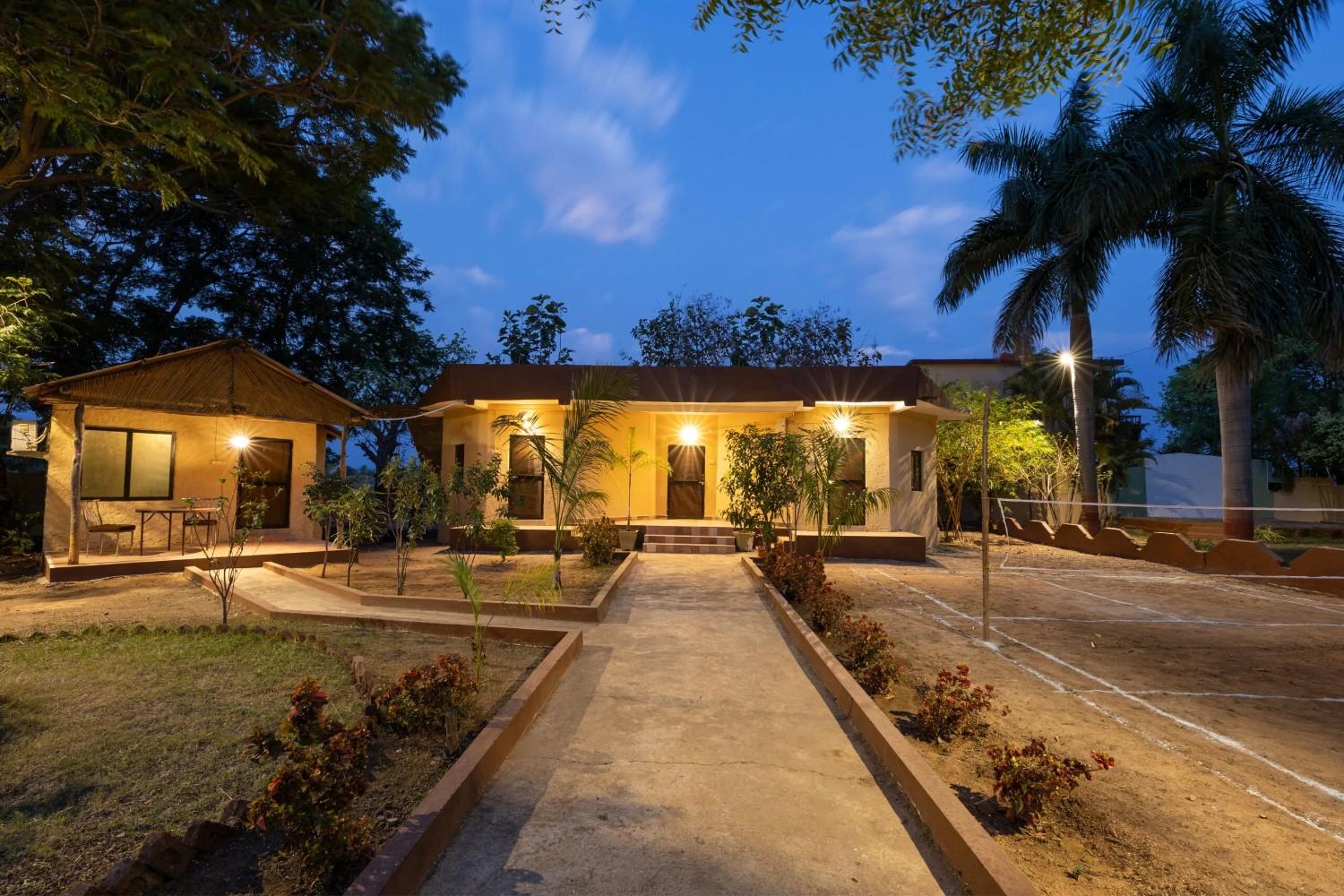
hotels, cottages, and jungle resorts, so you can book easily through Tadoba booking, Tadoba
online booking, or even Tadoba National Park booking online.
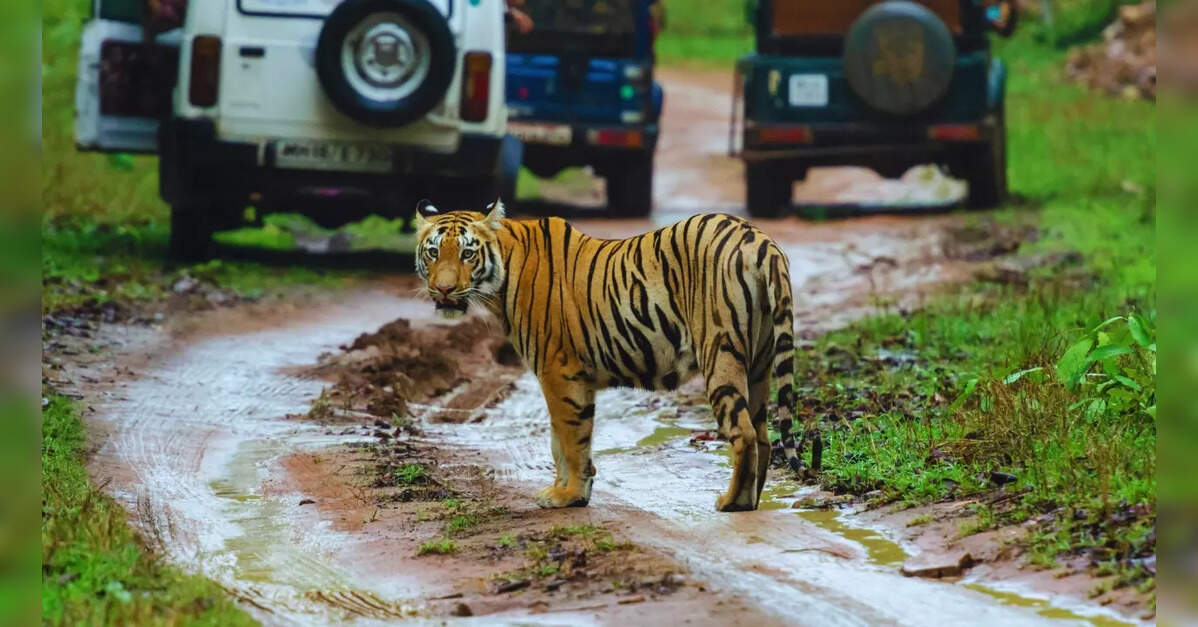
There are a good number of wild animals, and they are the popular
attractions of Tadoba. In fact, they are the heart of the jungle. Whole credit goes to the
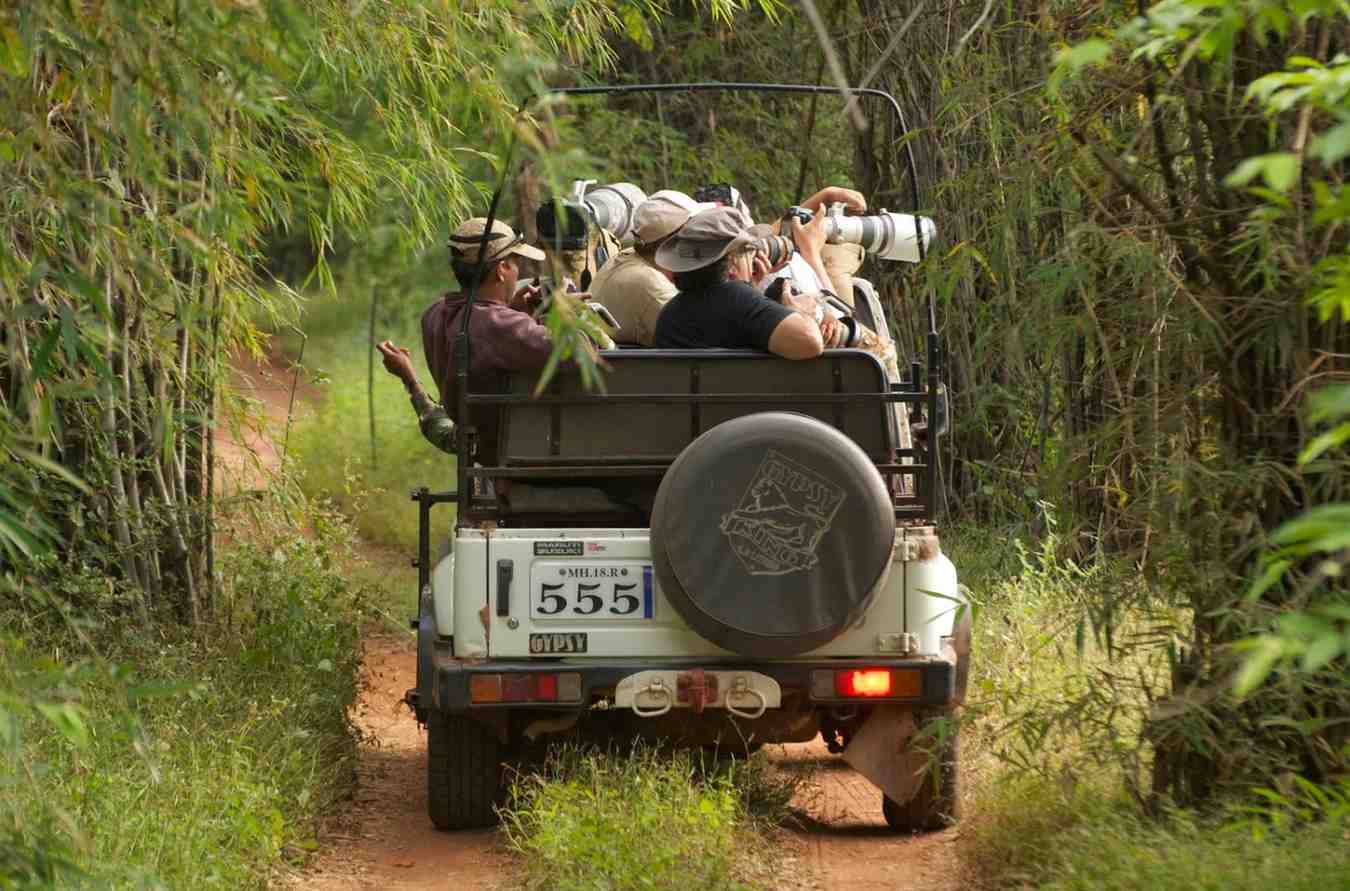
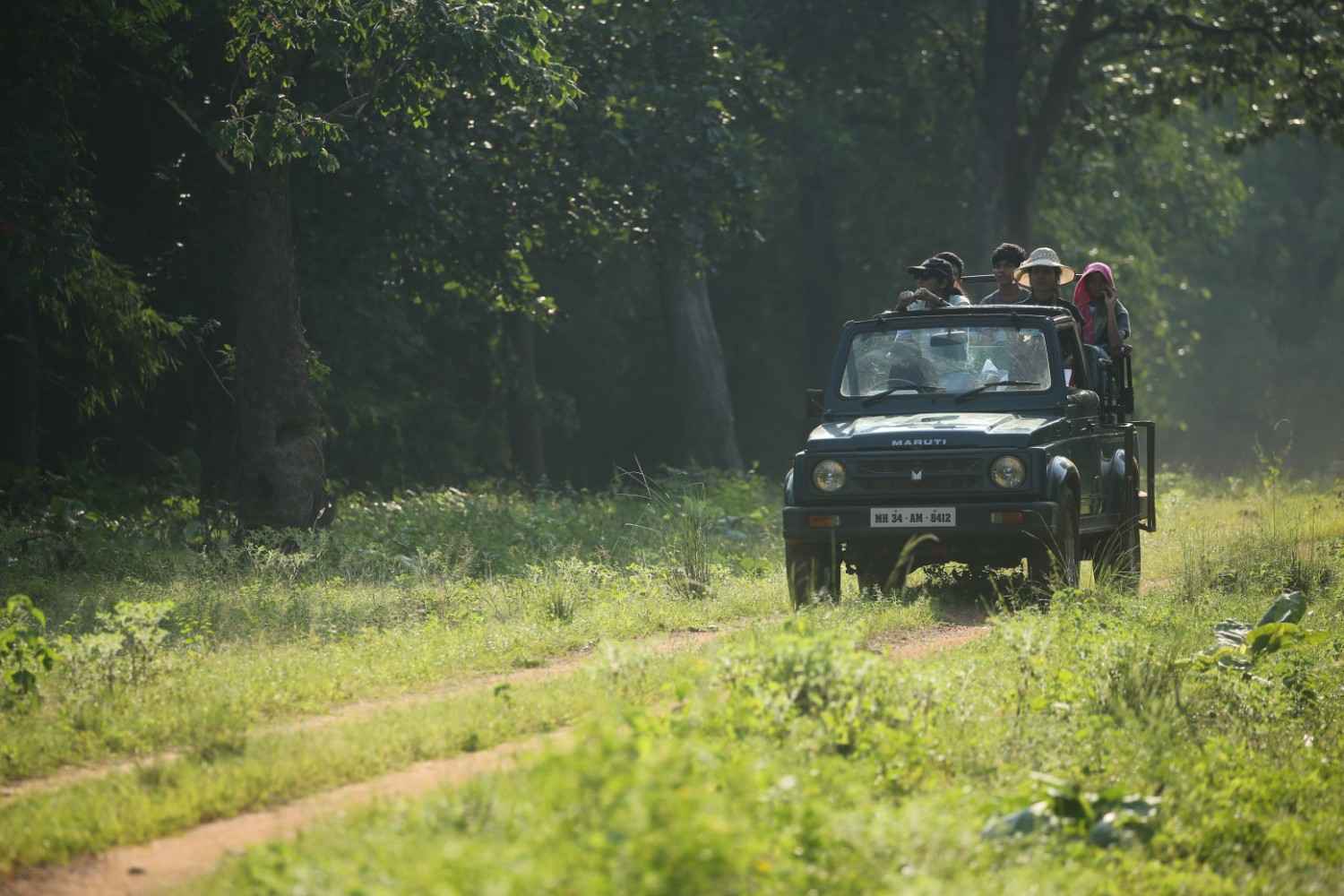
effortless tiger spotting in almost all good and popular safari zones. The whole safari on an
open safari, as you feel the fresh breath of the air, lush green grasslands, clear lakes makes
it feel surreal. So what are you waiting for? Take a step closer to one of your best experiences
in life with us here at Seven Safars.
Located in the Chandrapur district of Maharashtra, Tadoba National Park
holds a special place when you unfold its history, longevity, and heritage. The reserve also has
a rich cultural link. The name Tadoba is taken from the tribal god “Taru,” worshiped by locals
living in the dense forest while the Andhari part comes from the Andhari River flowing through
the jungle. First declared a sanctuary in 1935, it later became part of the larger reserve and
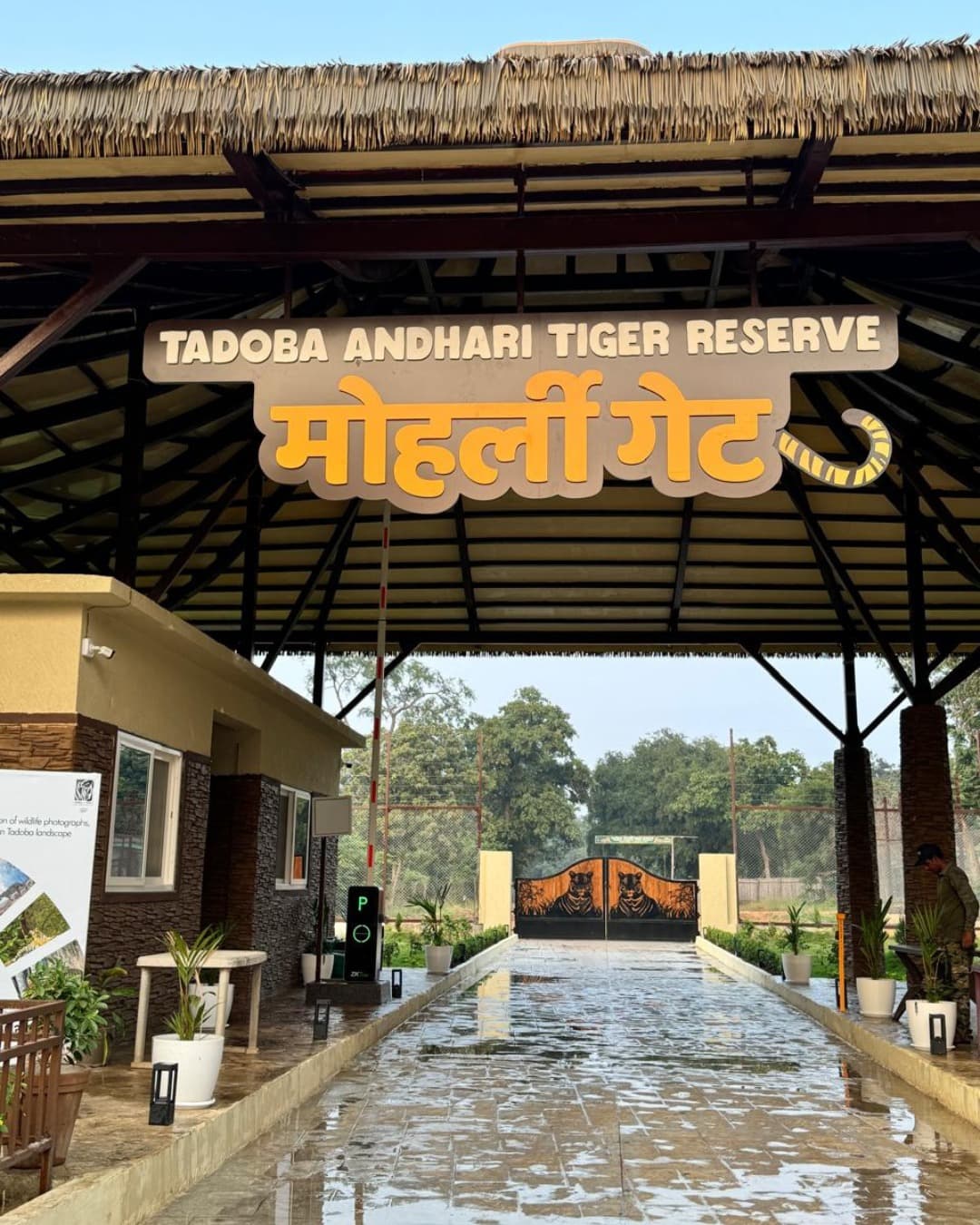
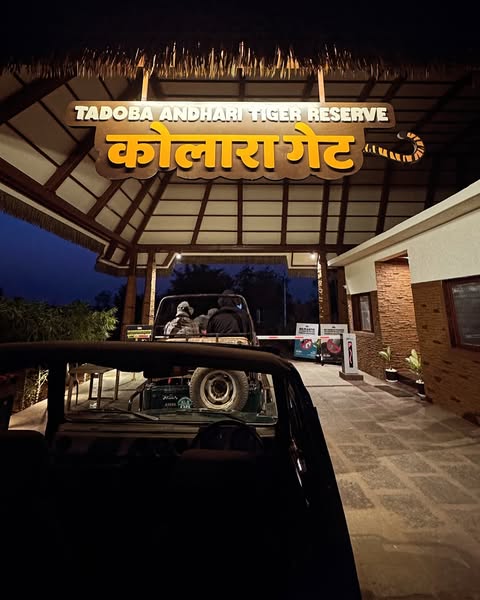
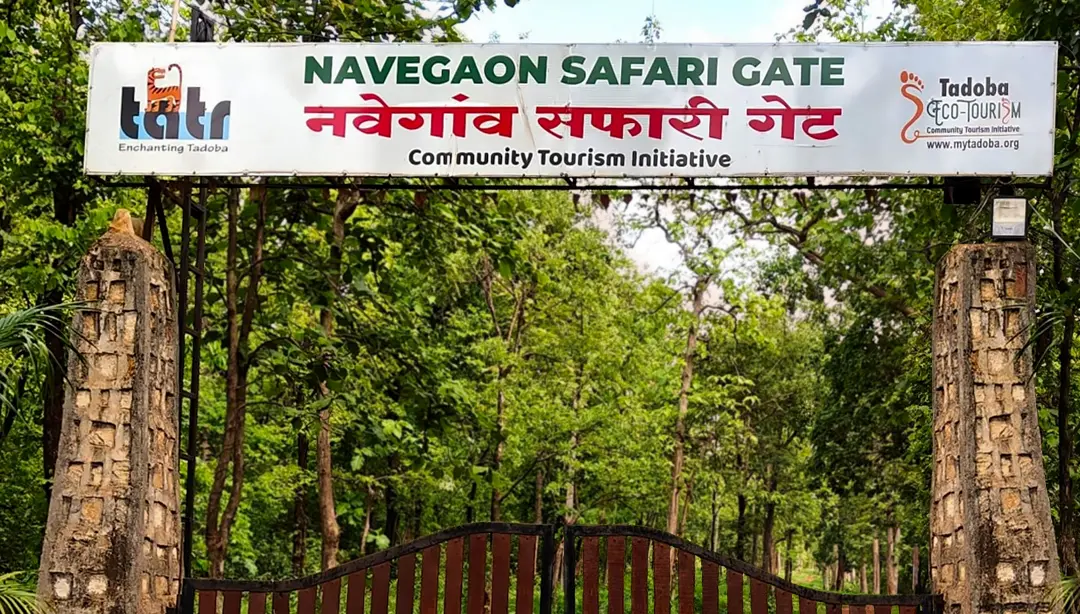
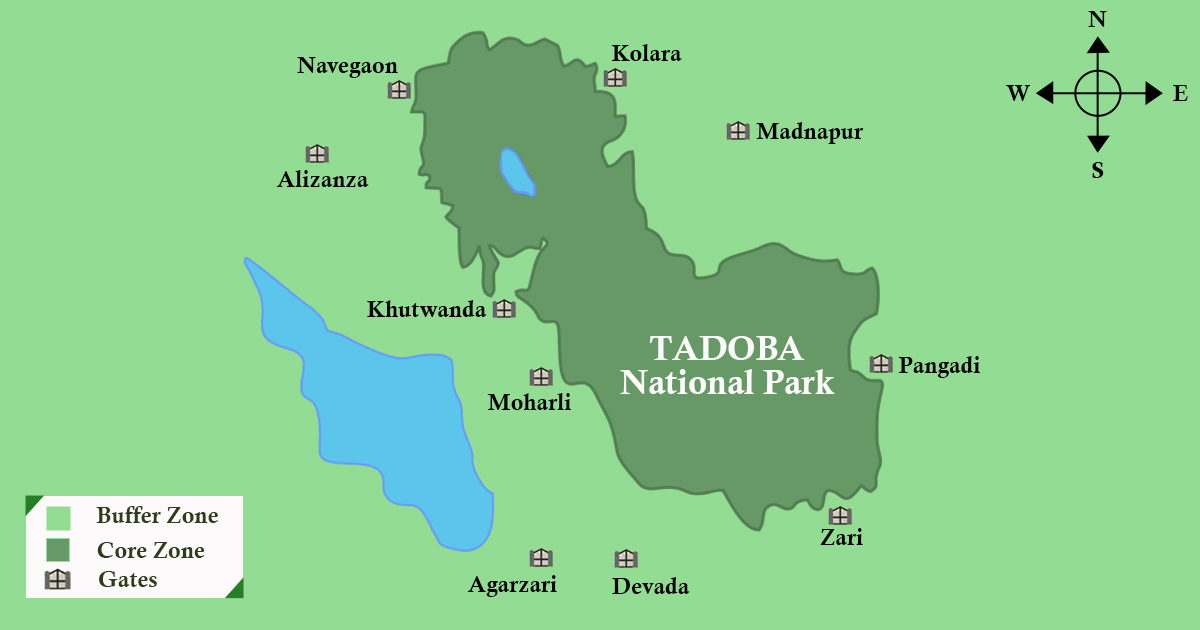
is now known as the Tadoba Andhari Tiger Reserve. The forest is divided into three ranges –
Tadoba North Range, Kolsa South Range, and Mohurli Range. It also has core and buffer zones with
only limited entry in the tourism zone for visitors while most of the forest is preserved as a
non-tourism zone.